

Do Nofollow Links Help SEO? (2026 Guide)
Nofollow links help SEO indirectly by driving referral traffic, building brand visibility, diversifying backlink profiles, and signaling trustworthiness to search engines, even though they do not pass PageRank directly. Since Google treats nofollow attributes as ranking hints rather than strict directives, high-quality nofollow links can still influence crawling, indexing, and overall search performance under certain conditions.
Key Takeaways
Nofollow links support SEO indirectly. They drive referral traffic, brand awareness, and engagement signals that influence search performance.
Nofollow links can impact rankings. Google treats them as hints, allowing evaluation for crawling and indexing.
A natural backlink profile needs both. Mixing nofollow and dofollow links improves credibility and demonstrates E-E-A-T.
Use nofollow on paid or UGC links. Add
rel="nofollow"orrel="sponsored"to prevent penalties and protect authority.
If you've spent any time researching SEO, you've probably come across the term "nofollow links" and wondered whether they actually matter for your website. It's a fair question, as most of the advice out there focuses on getting as many backlinks as possible. But it's important to know when and why you should use the different types of links.
The reality is that nofollow links are often misunderstood. Many small business owners either ignore them completely or assume they're worthless because they don't directly pass authority. But that's not the case. When used correctly, nofollow links can still play a meaningful role in your content marketing efforts and contribute to your SEO goals in ways that aren't always obvious.
At Sapphire SEO Solutions, we've been helping small business owners navigate the complexities of SEO since 2007. We know that every business is different, and we offer affordable, tailored SEO solutions designed to get results without breaking the bank.
In this guide, we're going to break down exactly what nofollow links are, how they differ from other links, and whether they're worth pursuing for your web presence. We'll also look at how other sites linking to you with a nofollow tag can still be valuable as part of the bigger picture of your overall SEO strategy.
What Are Nofollow Links?
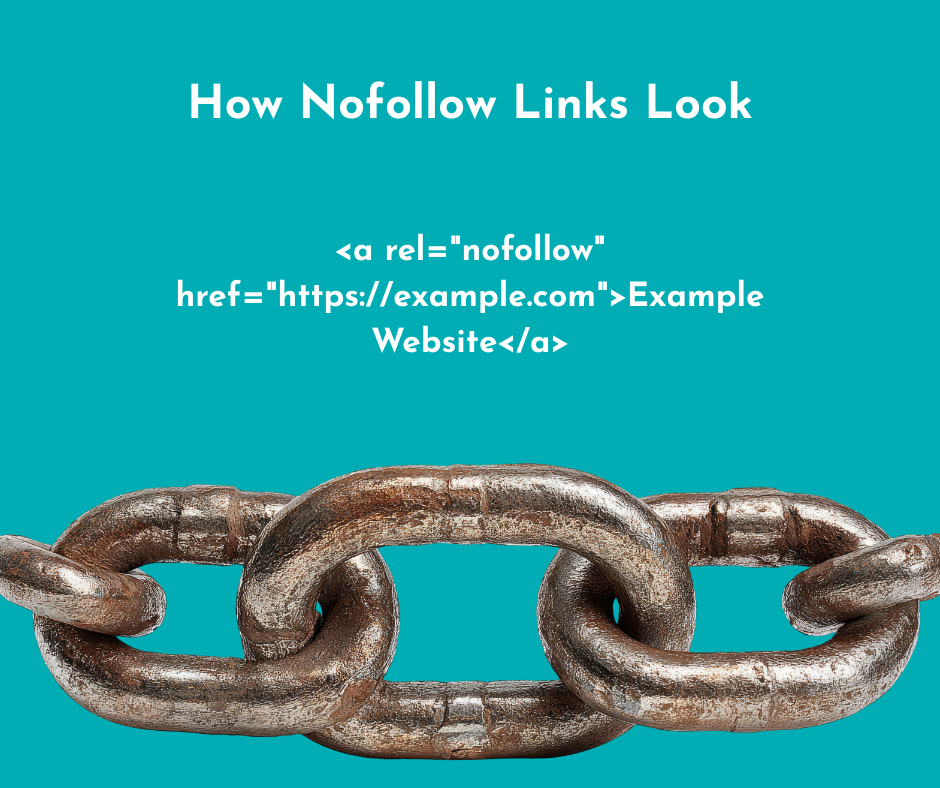
Nofollow links are hyperlinks that contain the rel="nofollow" attribute in their HTML code. This nofollow attribute is a simple signal that tells search engines not to follow the link or count it as an endorsement of the page it's pointing to. In other words, links don't pass ranking credit when the nofollow tag is present.
Here's what a nofollow tag looks like in practice:
<a rel="nofollow" href="https://example.com">Example Website</a>
That small addition to the HTML attribute changes how search engines treat the link entirely. Without it, the link is treated as a vote of confidence. With it, search engines are told to look the other way, at least in theory.
It's worth noting that Google now treats the nofollow attribute as a "hint" rather than a strict rule. That means Google may still crawl and evaluate a nofollowed link if it sees fit. More on that later.
Nofollow links are part of technical SEO but are used in off-page SEO strategies.
How Are Nofollow Links Different From Dofollow Links?
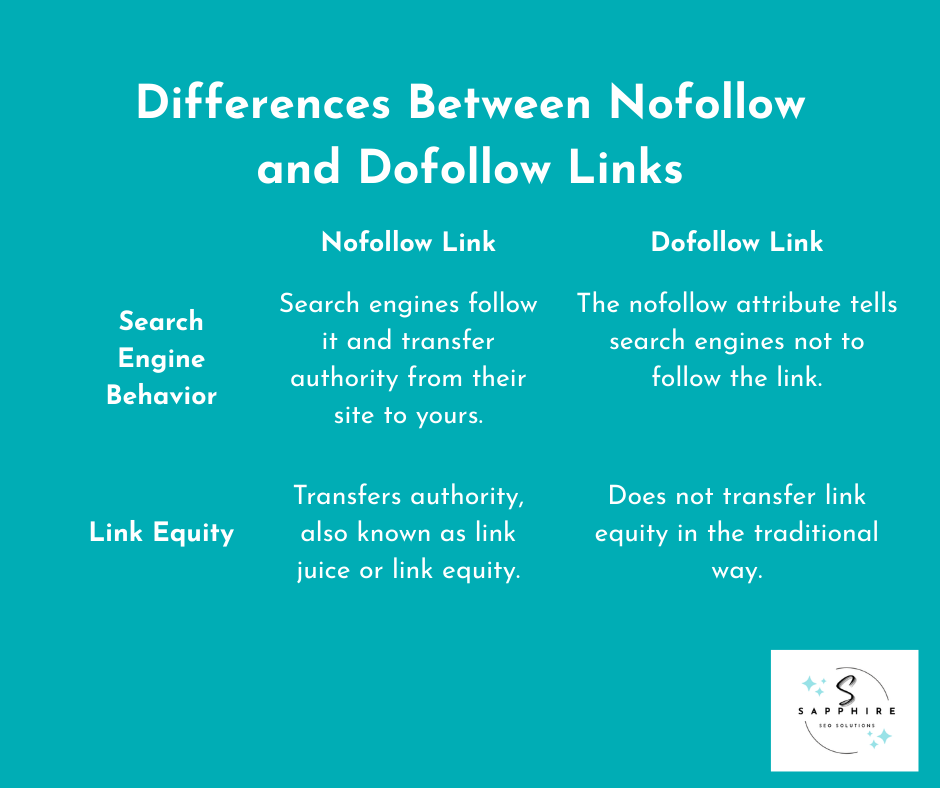
A dofollow link is the default type of hyperlink on the Internet. When another site links to yours with a dofollow link, search engines follow it and transfer authority from their site to yours. That transfer is what SEOs refer to as link juice or link equity, and it's one of the most important signals Google uses to rank pages.
Dofollow backlinks from high-quality sites are what most link-building campaigns are built around and can directly pass authority to improve your rankings over time.
Nofollow links work differently. The nofollow attribute tells search engines not to follow the link or transfer any link equity to the destination. It's the difference between a public endorsement and a quiet mention with no vouching attached.
That said, the gap between the two has narrowed. Since Google's 2019 update, according to Search Engine Journal, nofollow links are treated as hints rather than hard rules, meaning Google may still evaluate them under certain circumstances. They still don't pass PageRank the way follow links do, but they're no longer completely dismissed either.
Dofollow and nofollow links each have a role to play. Dofollow carries more direct SEO weight, but a healthy link profile needs both.
When and Why Did Google Introduce Nofollow Links?
Google initially introduced the nofollow attribute in 2005 with one clear goal: to fight comment spam. Spammers were flooding blog post comment sections, forums, and other user-generated content areas with links designed to manipulate search rankings, and Google needed a solution fast.
The idea was simple. If spammy links couldn't pass ranking credit, spammers would have less incentive to post them. Google's webmaster guidelines made it clear that any link with rel="nofollow" would not contribute to a page's PageRank or search ranking.
The use of nofollow quickly expanded beyond comment spam. Google's Matt Cutts began recommending it for paid links and advertisements, and eventually for any link that wasn't editorially placed. The goal was to keep low-quality and manipulative links from influencing search results and to protect sites from a Google penalty for participating in link schemes.
What started as a fix for comment spam became a broad standard for managing any links that site owners didn't want to fully endorse. It worked, at least for a while.
Explaining Google's Updated Policy on Nofollow Links
For 14 years, nofollow links were treated as a strict directive. Search engines would simply ignore nofollow links for ranking purposes. That changed in September 2019 when Google announced a fundamental shift in how it handles the nofollow attribute.
Google made it clear that all link attributes, including nofollow, sponsored, and UGC, are now treated as hints rather than hard directives. That's a significant departure from what nofollow links were designed to do. It means Google reserves the right to evaluate a nofollow link and decide whether to use it as a ranking factor, which means it can have a direct impact on how search engines assess your site.
Google also introduced two new attributes alongside this update. The rel="sponsored" attribute is for paid placements, while rel="ugc" covers links within user-generated content. These give Google better context about the nature of a link.
Google's 2024 Leaked Documents
In May 2024, a leak of Google's internal API documentation revealed over 14,000 ranking signals. The documents suggest that nofollow links can contribute to rankings if they generate clicks, while followed links that don't get clicks may be less valuable than assumed. Google confirmed the leak was legitimate but urged caution around context.
Google no longer completely ignores nofollow links. Context, authority, relevance, and other signals all factor into how they're evaluated today.
The Impact of Nofollow Links in SEO
Nofollow links don't carry the same direct weight as dofollow links, but they're far from without SEO value. When used thoughtfully, they can support your SEO strategy in meaningful ways, from driving traffic to strengthening credibility online. They can even support your digital PR efforts by earning brand mentions on high-authority websites.
Here's a closer look at the SEO benefits nofollow links bring:
Drives Website Traffic
When your link appears on a high-traffic website or blog, real people click on it. That referral traffic lands on your site regardless of whether the link passes authority.
The ability to drive referral traffic and increase traffic from reputable sources is one of the most underrated benefits of nofollow links. More visitors means more conversion opportunities, and that activity sends positive engagement signals back to Google that can increase referral traffic further over time.

Builds Brand Awareness
Nofollow links from high-authority sites put your brand in front of a wider audience and shape how potential customers perceive your business. That increased brand awareness influences user behavior in meaningful ways.
People who recognize your brand are more likely to click your listing in search engine results pages, and that improved click-through rate can indirectly support your page rankings over time.
Builds Trust and Authority Signals
A natural link profile isn't made up entirely of dofollow links. A 100% dofollow backlink profile raises red flags with Google because it doesn't reflect how links naturally occur. A healthy mix of both contributes to a natural backlink profile that looks organic and credible.
Nofollow links from respected sources also reinforce your website's authority and your site's authority in the eyes of search engines, even without passing direct ranking credit.

Demonstrates E-E-A-T
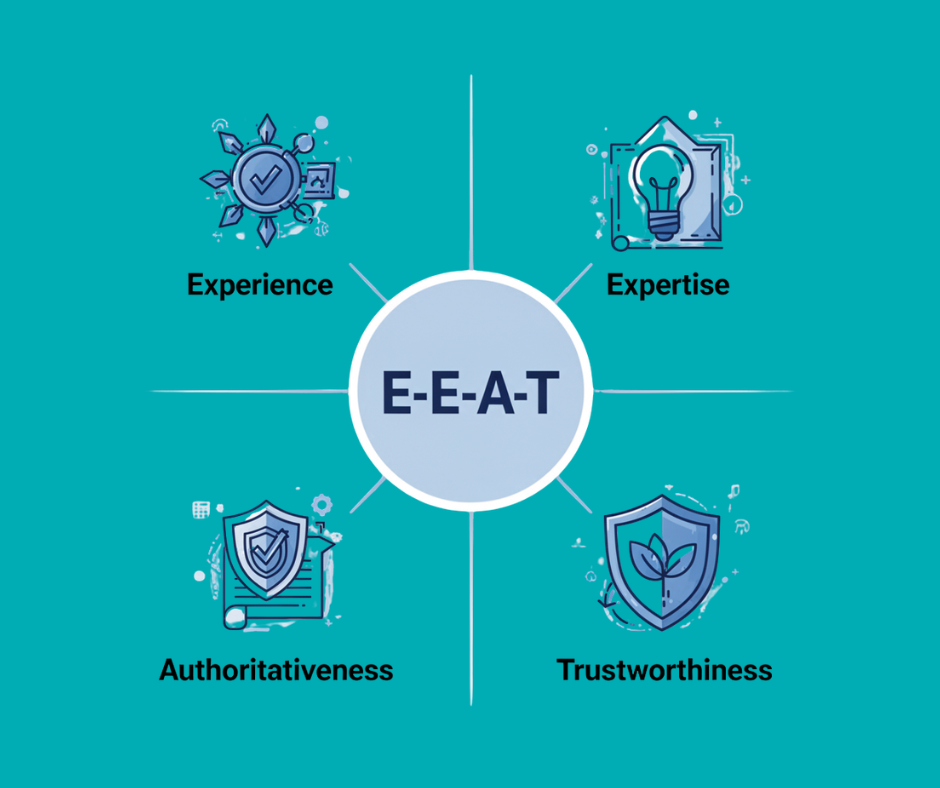
Your backlink profile is one of the signals Google uses to assess E-E-A-T. When authoritative sites link to you through nofollow external links, it signals that your brand is a credible industry source. A well-rounded link profile that includes nofollow backlinks from high-quality sources demonstrates that your content is trusted beyond just low-authority sites.
Expands Your Backlink Profile
Many high-authority platforms like Wikipedia, Reddit, and major news outlets use nofollow backlinks by default. Chasing only dofollow links means missing out on valuable placements on some of the most trafficked sites on the internet. Earning nofollow links from these platforms expands your overall backlink profile and adds diversity. As Google's leaked documents suggest, outbound links from high-traffic pages may still carry influence even with the nofollow attribute attached.
Can Prevent Penalties
If you're running paid links, advertisements, or sponsorships, Google requires that they be tagged with the nofollow or sponsored attribute. Failing to do so risks a Google penalty that tanks your rankings.
Properly tagging paid placements protects your site from manual actions or algorithmic penalties, which is a simple but critical safeguard for any business running affiliate programs or sponsored content.
Supports Rank Distribution
Nofollow links don't traditionally pass PageRank, but Google's updated stance suggests they still play a role in how authority flows across the web. Other signals like engagement, click-through rates, and source authority all factor into how much influence a nofollow link carries. Relevance and source quality can matter more than the link attribute itself, especially for local businesses competing for regional rankings.

Helps Maintain Site Integrity
Using nofollow strategically on your own site gives you control over how authority flows between pages. Adding a nofollow tag to low-value pages like login pages or external affiliate sites prevents you from bleeding link equity unnecessarily. It keeps your one site focused and ensures your most important pages retain as much authority as possible.

Do Nofollow Links Impact Your Site's Rankings?
Nofollow links do not have a direct impact on your search rankings in the traditional sense. They don't pass PageRank, and Google has been clear that they aren't treated the same way as dofollow links when calculating authority. But that doesn't mean they have zero influence on your search engine rankings.
Nofollow links can influence your rankings indirectly. Google treats the nofollow attribute as a hint, meaning it reserves the right to factor them in under certain conditions. SEO expert Kyle Roof's testing found that a nofollow link can act almost like a followed link and impact your ranking factor if the linking page ranks well on Google and receives organic traffic. Those two criteria matter more than the link attribute itself.
The 2024 Google data leak reinforced this further, revealing that Google categorizes links into quality tiers based on the linking site's traffic, content freshness, and user engagement signals. A nofollow link from a high-traffic publication may be treated very differently from one from a low-authority site.
The indirect effects of nofollow links, such as driving referral traffic, improving brand visibility, and building a natural backlink profile, also send positive engagement signals to Google that can support your search engine rankings over time.
Nofollow links won't replace a strong dofollow strategy, but dismissing them entirely is a mistake. Source quality, relevance, and traffic all determine how much influence a nofollow link can have on your search rankings.
What Are the Common Misconceptions About Nofollow Links?
There's no shortage of strong opinions about nofollow links in the SEO world. Some marketers swear they're useless. Others treat them like a hidden gem. Here are the most common misconceptions worth clearing up.
Myth #1: Nofollow Links Have Zero SEO Value
This is the most widespread myth. Nofollow links may not pass link equity directly, but the traffic, brand visibility, and engagement signals they generate are very real. Dismissing them entirely means leaving value on the table.
Myth #2: Google Completely Ignores Nofollow Links
This hasn't been accurate since 2019. Google announced that for crawling and indexing purposes, nofollow is now a hint rather than a directive. Ignoring nofollow links completely is no longer how Google operates.
Myth #3: Nofollow Links Can Hurt Your Rankings
That fear is unfounded. Nofollow links from reputable sources are neutral at worst and beneficial at best. The only problematic scenario is links from spammy or irrelevant sources, but that applies to dofollow links too.
Myth #4: Only Dofollow Links Are Worth Pursuing
A backlink profile made up exclusively of dofollow links is actually a red flag. Every natural website has both link types. Chasing only dofollow links makes your profile look unnatural and can work against you.
Myth #5: Nofollow Links Are a Waste of Time in Link Building
Writing off nofollow placements on sites like Forbes or Wikipedia is a mistake. A nofollow link from a high-traffic, highly ranked page can send meaningful referral traffic and still carry indirect ranking influence. The source matters more than the attribute.
How to Implement Nofollow Links
Implementing nofollow links is simpler than it sounds. You don't need to be a developer to do it, and for most small business owners managing a WordPress site, there are even easier options that don't require touching any HTML code at all.
At its most basic level, adding a nofollow link is just a matter of adding the rel="nofollow" attribute to a standard hyperlink. A regular dofollow link looks like this:
<a href="https://example.com">Anchor Text</a>
To make it a nofollow link, you simply add the attribute like this:
<a href="https://example.com" rel="nofollow">Anchor Text</a>
That's it. That small addition tells search engines not to follow or pass authority through that link. If you're also using a sponsored link or a link from user-generated content, you can use rel="sponsored" or rel="ugc" respectively (Google Search Central). These work the same way but give Google more context about why the link is nofollowed.
If you're running your site on WordPress, you don't need to edit raw HTML every time. Plugins like Yoast SEO and Rank Math all give you a simple toggle to add the nofollow attribute directly from the link editor. No coding required.
If you prefer to do it manually in WordPress's block editor, you can select the block containing your link, click "Edit as HTML," and add rel="nofollow" to the anchor tag directly.
To check whether a link on any page is nofollow, right-click the link in your browser and select "Inspect." Look for the rel="nofollow" attribute in the HTML. You can also use free browser extensions like Nofollow Simple or Strike Out Nofollow Links, which automatically highlight nofollow links on any page you visit.
How to Use Nofollow Links - Best Practices to Consider
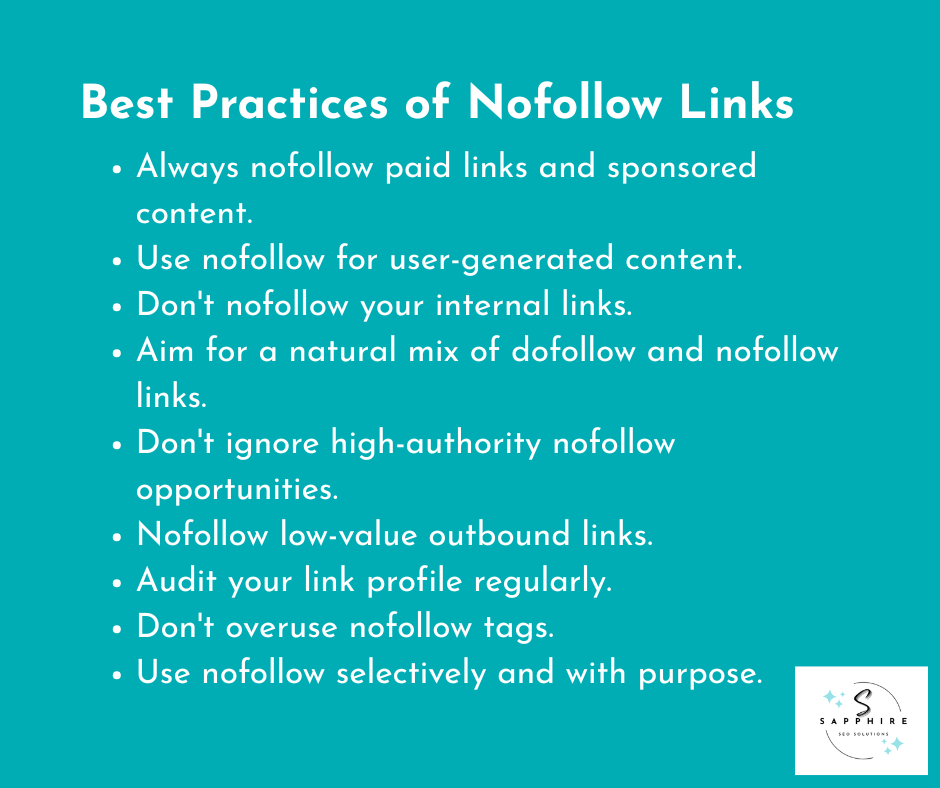
Knowing what nofollow links are is one thing. Using them strategically is another. Here are the key best practices to keep in mind as part of your SEO strategy:
Always nofollow paid links and sponsored content: Paid placements and affiliate links must be tagged with rel="nofollow" or rel="sponsored." Failing to do so violates Google's guidelines and risks a penalty.
Use nofollow for user-generated content: Links in blog comments, forum posts, or community sections should be nofollowed to prevent passing authority to spammy external pages.
Don't nofollow your internal links: Internal links should be dofollow so Google can crawl your site and distribute authority. Only nofollow internal pages you don't want ranked, like login or duplicate content pages.
Aim for a natural mix of dofollow and nofollow links: An all-dofollow backlink profile looks unnatural. Pursuing nofollow placements from high-authority sites keeps your profile balanced and organic.
Don't ignore high-authority nofollow opportunities: A nofollow link from Forbes or a major industry publication is still valuable. The referral traffic and brand exposure alone make it worth pursuing.
Nofollow low-value outbound links: If you're linking to a page you don't want to endorse, add the nofollow attribute to avoid passing your site's authority unnecessarily.
Audit your link profile regularly: Use tools like Ahrefs, SEMrush, or Google Search Console to keep your nofollow and dofollow links balanced and coming from reputable sources.
Don't overuse nofollow tags: Dofollow links to quality external sources signal credibility to Google. Use nofollow selectively and with purpose.
Let SEO Experts at Sapphire SEO Solutions Handle the Technical Side of SEO!
Nofollow links may seem straightforward on the surface, but managing them correctly across your entire website takes time, attention to detail, and a solid understanding of how they interact with your broader SEO strategy.
For small business owners already juggling day-to-day operations, figuring out which links need nofollow tags, auditing your backlink profile, and staying on top of Google's evolving guidelines can quickly become overwhelming. That's where having the right team in your corner makes all the difference in protecting your site's ranking power.
Whether it's managing your nofollow links, cleaning up technical SEO issues, or building a stronger backlink profile, Sapphire SEO Solutions and our experts handle it all so you can focus on running your business. Our technical SEO packages start from just $100 a month, making professional SEO accessible no matter the size of your site.
Ready to take the technical side of SEO off your plate? Contact us to discuss your needs with an SEO expert today!
Want help with SEO-optimized content? Check out the different content writing tiers we offer before placing an order online.

Frequently Asked Questions - Do Nofollow Links Help SEO?
Do nofollow links count as backlinks?
Yes, nofollow links count as backlinks because they link one website to another, even though they do not pass PageRank. They still contribute to a natural backlink profile, drive referral traffic, and improve brand visibility, which can indirectly support SEO performance.
Which type of link improves SEO rankings?
Dofollow links improve SEO rankings directly because they pass PageRank and link equity from one site to another. However, high-quality nofollow links from authoritative websites can still support rankings indirectly through referral traffic, brand signals, and a balanced backlink profile.
What is the difference between nofollow and dofollow links?
The main difference is that dofollow links pass PageRank and authority, while nofollow links do not. Nofollow links include a rel="nofollow" attribute that tells search engines not to transfer link equity, although both link types can drive traffic and contribute to a natural backlink profile.
Does Google follow nofollow links?
Yes, Google may follow nofollow links because it now treats the nofollow attribute as a hint rather than a directive. This means Google can crawl or evaluate nofollow links for indexing and ranking purposes under certain conditions.
Do nofollow links pass PageRank?
No, nofollow links are not designed to pass PageRank directly. However, they can influence SEO indirectly by driving referral traffic, improving brand awareness, and contributing to a diverse backlink profile that signals trust and credibility to search engines.
Should you build nofollow links for SEO?
Yes, building nofollow links should be part of a balanced SEO strategy. A backlink profile that includes both nofollow and dofollow links appears more natural and can improve referral traffic, brand exposure, and long-term search visibility.
Which links should always be nofollow?
Paid links, sponsored content, affiliate links, and user-generated content should always be marked as nofollow. This helps comply with Google guidelines and prevents penalties for participating in link schemes.