

What Is Blog and Blogging? (Definition & How It Works)
What is blog and blogging? A blog is a regularly updated website where content is published in reverse order (newest first), while blogging is the ongoing process of creating, optimizing, and promoting that content to attract and engage an audience. Unlike static websites, blogs grow through consistent posts, helping individuals and businesses build authority, drive traffic, and generate income over time.
Key Takeaways
A blog is a dynamic website format built on consistent, reverse-chronological content that grows traffic over time.
Blogging is the ongoing process of creating, optimizing, and promoting content to attract a defined audience.
Businesses use blogs as SEO-driven marketing tools to build authority, visibility, and long-term revenue.
Publishing 20–30 optimized posts consistently is a proven starting point for measurable traffic and authority growth.
Start with a niche, publish high-quality content, and use SEO + promotion to drive sustainable results.

The term blog is something most people have heard, but fewer understand what it actually means, how it works, and what it can do. Understanding what is blog and blogging goes beyond a simple definition.
While blogs began in the early days of the internet, Sapphire SEO Solutions has been offering SEO blog writing services to small businesses since 2007. Work with our certified blog writers and publish your first blog today!
Blogging has grown into a multi-billion-dollar industry used by individuals, businesses, and media organizations alike. Keep reading this guide to find out exactly what blogs and blogging are, and why they still matter more than ever.
What Is a Blog?
A blog is a type of informational website where content is published regularly and displayed in reverse chronological order, with the newest posts appearing first. The word itself is a shortened version of "web log," a term that originally described a simple, running log of activity on the internet.
In its earliest form, a blog functioned much like an online journal or online diary, where a single writer would document thoughts, experiences, or observations for an audience. In other words, it was a personal record made public.
Over time, blogs evolved far beyond personal writing. Today, they serve as professional publishing platforms, marketing tools, news outlets, and educational resources used by millions of people and organizations around the world. In fact, around 80% of businesses say that they use blogs as a marketing tool (Demandsage).

Is a Blog Different from a Website?
Yes, though the two are closely related. A blog is technically a type of website, but not all websites are blogs. The differences come down to:
Structure
Content
How often things change
Static websites are built around fixed pages that rarely change. Think of a company's "About Us" page or a product catalog. The information sits there and stays there. A blog, on the other hand, is built around regularly updated posts where the most recent content always rises to the top.
Content type is another key distinction. Blogs are primarily driven by written content, whether that is a how-to guide, an opinion piece, a news update, or a personal story. Many blogs also incorporate other media to support or enhance the written content, including:
Images
Videos
Infographics
Audio
The other defining feature of a blog is its ongoing nature. A static website can go months or years without a single update. A blog, by definition, is regularly added to. That consistency of publishing is what separates a blog from a standard website and what makes it such a valuable tool for reaching and growing an audience.
What Are the Different Types of Blogs?
Most blogs serve a specific goal, whether that is self-expression, business growth, or generating income. Understanding the different types helps clarify what blogging can actually look like in practice. There are multiple blog formats in use today, and each one operates differently. They include:
Personal Blog
A personal blog is the most traditional form of blogging. It is built around:
Personal stories
Experiences
Opinions shared directly with an audience
The content reflects the blogger's personality, making it one of the most individual and expressive formats available. Many people start their own blog as a personal one before eventually shifting toward a more focused or monetized format.
Niche Blog
A niche blog focuses on a particular subject and is built to serve a specific audience. Rather than covering a broad range of topics, it goes deep on one area, whether that is personal finance, home improvement, fitness, or travel.
Because the content is highly relevant to its target audience, niche blogs are often trusted as useful resources within their space. They also tend to perform well in search engines for the same reason.
Multimedia Blog
A multimedia blog is built around multimedia elements rather than written content alone. These blogs incorporate video, audio, photography, infographics, and other multimedia elements as the primary way of communicating with readers. They are closely tied to social media platforms, where visual and video content tends to reach wider audiences and drive higher engagement.
News Blog
News blogs operate similarly to traditional media outlets, but in a blog format. They function as a news source for a particular topic, industry, or community. Writers publish content frequently, often daily, to keep their audience informed on current events and developments.
To remain relevant and trusted, news blog operators blog regularly and maintain a consistent publishing schedule.
Business/Company Blog
A business or company blog is the official blog of a brand or organization. It is one of the most widely used formats in digital marketing today. Businesses use their own business blog as a marketing tool to:
Attract new customers
Build credibility
Improve their visibility in search engines
Blogs provide businesses with a platform to educate their audience, showcase expertise, and support the overall goals of the company.
Affiliate Blog
An affiliate blog is built primarily around generating revenue through recommendations and referrals. This includes selling digital products, promoting digital products from other companies, and earning commissions on sales made through tracked links. The goal is to generate income by connecting readers with products or services they are already looking for. Bloggers earn through commissions, meaning income is tied directly to the performance of the content.
Reverse Blog
A reverse blog flips the traditional model. Instead of one primary writer producing all the content, the blog is built around contributions from other bloggers and guest writers. The blog owner manages the platform while many bloggers contribute posts, perspectives, and expertise.
Bloggers typically submit their own content in exchange for exposure, backlinks, or other agreed-upon value. It is a collaborative format that allows the platform to scale content without a single writer carrying the full load.
Professional Blog
A professional blog is one that has grown into a serious, income-generating operation. Successful blogs of this type earn substantial income through a combination of advertising, sponsorships, digital products, and other revenue streams.
Bloggers who operate at this level treat their blog as a business. As a blog grows in traffic, authority, and audience, the opportunities to generate consistent and significant income grow alongside it.
What Is Blogging?
Blogging refers to the act of creating, publishing, and managing content on a blog. It is not a single task but an ongoing process that combines:
Writing
Strategy
Promotion
Audience building
For some, blogging is a creative outlet. For others, it is a full-time profession. In most cases, it is both.
The blogging journey looks different for everyone, but the foundation is always the same: consistent content created for a defined audience with a clear purpose. Whether you are a business looking to attract customers or an individual looking to share expertise, the process of how to start blogging starts with a solid strategy.
Blogging work goes beyond writing a post and hitting publish. It involves understanding your audience, researching topics, optimizing content for search engines, promoting across channels, and analyzing what is working.
In other words, blogging is as much about strategy as it is about writing.
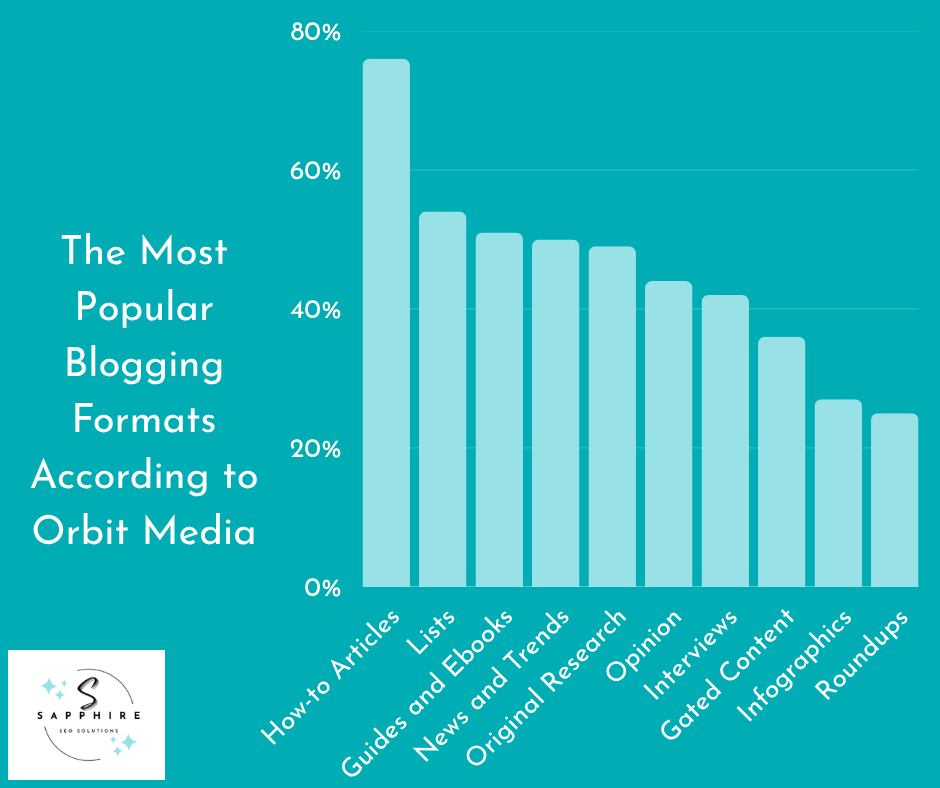
How Does Blogging Work?
At its core, blogging works by combining a blogging platform, consistent content, and an audience-first strategy. Most online platforms today have made the process accessible to almost anyone. Extensive technical knowledge is no longer a barrier to entry. The technical setup has been simplified to the point where a functional blog can be launched in a matter of hours. What matters more is understanding the process that follows.
Here are the steps to follow for any business owner looking to start blogging:
Step 1: Choose a Purpose/Niche
Every successful blog starts with a clear purpose. Before writing a single word, it is important to identify what the blog will be about and who it is for. Think about where your audience spends time. From there, researching relevant keywords helps confirm whether there is an actual search audience for the topic and guides the direction of future content.

Step 2: Set Up the Blog
Once a niche is chosen, the next step is building the blog itself. Many new bloggers start with free platforms such as WordPress.com, Blogger, or Wix, which require no upfront investment.
For those looking for more control and credibility, purchasing a custom domain and hosting is the recommended route. A free domain may be available through certain hosting providers as part of a starter package.
The setup process typically involves choosing a platform, selecting a domain name, picking a theme, and configuring the basic settings.

Step 3: Create Engaging Content
Content creation is the heart of blogging. This step involves researching topics, writing blog posts that are informative and useful, and structuring content in a way that keeps readers engaged from start to finish.
Reading other blogs in the same niche is a useful practice for understanding what is already out there and identifying gaps that your content can fill. Quality always outweighs quantity. One well-researched, well-written post will consistently outperform ten rushed ones.

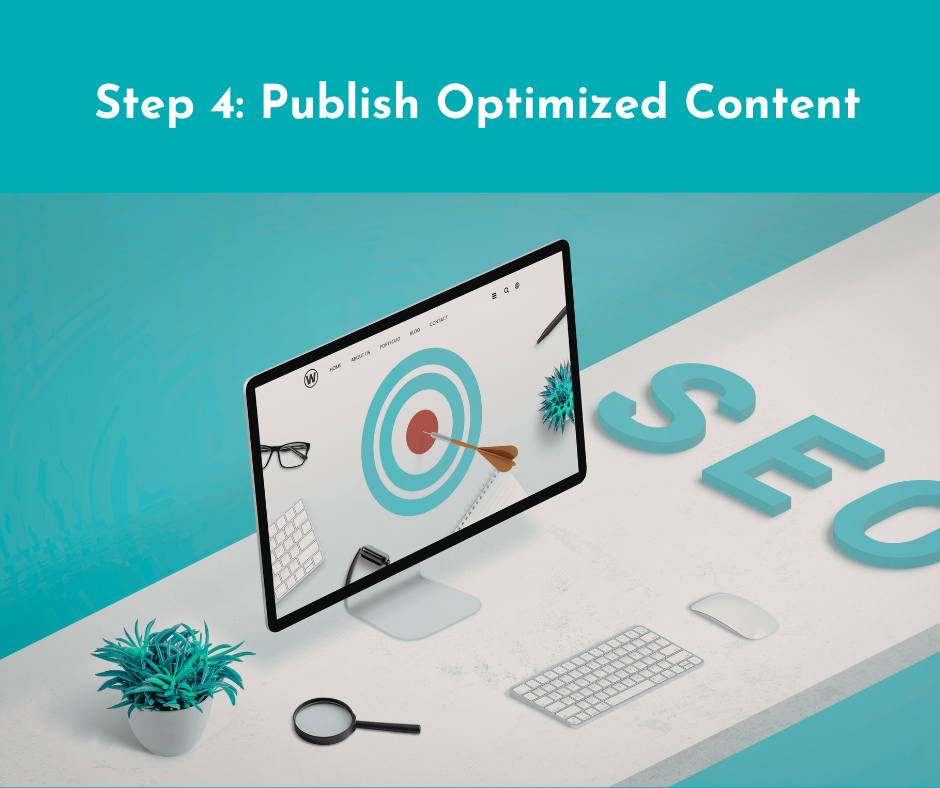
Step 4: Publish Optimized Content
Writing the content is only part of the work. Optimizing content before hitting publish is what helps it get found. SEO optimization involves:
Incorporating relevant keywords naturally throughout the post
Writing compelling meta descriptions
Structuring content with proper headings
Ensuring the post is readable and well-organized
Search engines use all of these signals to determine how and where a post ranks in search results.
Step 5: Promote and Distribute the Blog
Publishing a post does not guarantee an audience will find it. Promotion is a necessary step.
Social media promotion and social media marketing are among the most immediate ways to drive traffic to a new post. Beyond social media, guest posting on other blogs builds credibility and exposes your content to new audiences. Link building, which involves earning links from other websites back to your blog, strengthens your blog's authority in search engines over time.
Step 6: Engage Your Audience
A blog without engagement is a one-way broadcast. The most effective bloggers treat their audience as a community.
Responding to comments, asking questions at the end of posts, and encouraging readers to share their experiences all contribute to a more connected and loyal audience. Engagement also signals to search engines that readers find the content valuable, which can positively impact rankings.

Step 7: Use Analytics for Growth
Data is one of the most valuable tools a blogger has. Analytics platforms such as Google Analytics show:
Which posts are performing
Where traffic is coming from
How long readers are staying
Where they are dropping off
Building quality backlinks and refining your search engine optimization strategy should be informed by this data. In other words, analytics takes the guesswork out of growth and helps bloggers focus their efforts where they will have the most impact.

Step 8: Monetize Your Blog
Once a blog has established consistent traffic and an engaged audience, monetization becomes important. There are several ways to earn money from a blog. Selling ad space directly to brands is one option, while platforms like Google AdSense automate the process by placing relevant ads on your blog and paying per click or impression. Ad space can also be sold through display networks or negotiated directly with advertisers in your niche.
Additional monetization methods include affiliate marketing, sponsored content, and selling digital products, all of which are covered in more detail later in this guide.

What Is the Importance of Blogging?
Blogging is one of the most versatile tools available in the digital space. Whether you are an individual building a personal brand or a business looking to grow its online presence, the benefits of blogging extend well beyond simply publishing content. Here are some of the most significant reasons why blogging continues to matter.
Build a Brand
A blog gives any individual or business a platform to shape how they are perceived online. Every post published is an opportunity to communicate values, demonstrate expertise, and establish a recognizable voice.
Over time, consistent blogging builds a brand identity that audiences come to recognize and trust. In other words, a blog is not just a content channel. It is a branding tool.
Support SEO
Search engines reward websites that publish fresh, relevant, and well-structured content regularly. A blog does exactly that. Each post creates a new indexed page, expanding the number of opportunities to rank for relevant keywords. Writing optimized meta descriptions, incorporating internal links, and earning external links through link building all contribute to stronger search engine performance. A well-maintained blog is one of the most effective long-term SEO strategies available.
To learn more about the impact of blogs on your site's SEO, make sure to read our detailed guide on "How Do Blogs Help SEO?"
Generate Income
Blogging has proven itself as a legitimate income source for individuals and businesses alike. Revenue can come from multiple directions, including:
Advertising
Affiliate marketing
Sponsored content
Digital products
Online courses
Because blog content continues to attract traffic long after it is published, the income potential compounds over time. A single well-optimized post can generate consistent revenue for months or even years. According to 2025 internal data at Wix, bloggers in the US could earn upto $103,446 annually in 2025.
Improve Authority
Publishing in-depth, accurate E-E-A-T content on a specific topic positions a blogger or business as a credible voice in their field. Readers who consistently find useful answers on a blog begin to associate that blog with expertise. That perceived authority influences purchasing decisions, partnership opportunities, and overall reputation. Though it builds gradually, authority is one of the most valuable long-term assets a blog can create.
According to Hostinger, websites that actively blog have 434% more pages indexed and 97% more links. This statistic highlights how blogs build authority in the eyes of Google.
Share Information
At its most fundamental level, a blog exists to share information. It gives writers a platform to educate, inform, and explain. For businesses, this means helping customers understand products, processes, and industry developments. For individuals, it means contributing knowledge and perspective to a wider conversation. A blog removes the barriers between what you know and the audience that needs to know it.
Attract Visitors
Every blog post is a potential entry point for new visitors. When content is optimized for search and promoted across the right channels, it draws in readers who are actively looking for answers.
Unlike paid advertising, which stops generating traffic the moment spending stops, blog content continues to attract visitors organically over time. Because of this, blogging is one of the most cost-effective ways to drive consistent traffic to a website.
A blog post is also one of the most popular channels to market your business/product/service. HubSpot reveals that 38% marketers use blogs for marketing.
To learn more about the differences between PPC and SEO and which one is best for your business, make sure to go through our comprehensive guide on "SEO vs PPC: Which Is Better for Long-Term Growth?"
Foster a Community
A blog creates a space where readers with shared interests can gather, engage, and return. Comment sections, email newsletters, and social sharing all extend the conversation beyond the post itself.
Over time, regular readers become a community. That community becomes an audience that is more likely to trust recommendations, share content, and support whatever the blogger or business offers. Community is one of the most durable outcomes of consistent blogging.
Improve Differentiation
In competitive markets, a blog can be what sets one brand apart from another. Two businesses may offer identical services, but the one that consistently publishes helpful, well-written content signals a higher level of expertise and investment in its audience. That differentiation influences how potential customers perceive value before they ever make contact. A blog gives any brand a way to stand out in a crowded space through the quality and consistency of its content.
How Do Blogs Help Generate Income?
In most cases, successful bloggers layer multiple revenue streams on top of one another, building a more stable and scalable income over time. Here are the primary ways blogs generate income.
Traditional Advertising
Traditional advertising is one of the most straightforward ways to monetize a blog. Bloggers earn by allowing ad networks to display advertisements on their pages.
Google AdSense is the most widely used platform for this, automatically placing relevant ads and paying the blogger based on impressions or clicks. As traffic grows, so does the earning potential from display advertising. Some bloggers also sell ad space directly to brands, negotiating flat-rate placements without going through a third-party network.
Affiliate Links
Affiliate marketing is one of the most popular income streams for bloggers across every niche. It works by incorporating affiliate links into blog content. When a reader clicks a link and makes a purchase, the blogger earns a commission.
Because the links live inside content that continues to attract organic traffic, affiliate income can compound significantly over time. In other words, a post written once can continue generating commissions for years without additional effort.
Sponsored Posts
Brands pay bloggers to publish content that features or promotes their products and services. These sponsored posts are written in the blogger's voice and published to their audience. Because of this, they tend to feel more natural and trustworthy than traditional advertisements.
Bloggers with a well-defined niche and an engaged audience are particularly attractive to brands looking to reach a specific group of consumers.
Products and Services
Many bloggers develop and sell their own products and services directly through their blog. This includes digital products such as ebooks, templates, and online courses, as well as physical products shipped directly to customers.
Service-based bloggers, such as consultants, coaches, or freelancers, use their blog as a platform to demonstrate expertise and convert readers into paying clients. Because the blog has already established trust with the audience, selling directly to that audience tends to convert at a higher rate than cold outreach.
Memberships and Subscriptions
Some bloggers gate a portion of their content behind a membership or subscription model. Readers pay a recurring fee in exchange for access to premium content, exclusive resources, or a private community. This model creates predictable, recurring income that is not dependent on fluctuating ad rates or affiliate commissions. It also deepens the relationship between the blogger and their most engaged readers.
Grow Your Brand with ROI-Driven Blog Writing Services Today!
From establishing authority in a competitive niche to supporting long-term SEO performance, the value of consistent, well-written blog content compounds with every post published.
The challenge for most businesses is not understanding why blogging matters. It is finding the time and expertise to do it well. That is where professional blog writing services make the difference.
Sapphire SEO Solutions offers affordable, ROI-driven blog writing services built for businesses that are serious about growth. Every piece of content is researched, optimized, and written to attract the right audience and convert readers into customers.
Whether you are starting a blog from scratch or looking to scale an existing content strategy, Sapphire SEO Solutions has the expertise to help your brand grow. Contact us now to schedule a free consultation with an expert today!
Alternatively, you can place an online order for a blog for your website through our client portal. Don't forget to check out the content writing tiers we offer before placing an order.

Frequently Asked Questions
What is a blog, and how does it differ from a regular website?
A blog is a type of informational website where content is published regularly and displayed in reverse chronological order, with the newest posts appearing first. A regular website consists of static pages that rarely change, such as an About page or a services page. A blog is defined by its ongoing, frequently updated content.
How can I start my own blog from scratch?
To start a blog from scratch, follow these steps:
Choose a niche or topic that your target audience is actively searching for
Select a blogging platform such as WordPress, Wix, or Blogger
Register a domain name and set up hosting
Choose a theme and configure your basic settings
Write, optimize, and publish your first blog post
Promote your content through social media and link building
What are the best tools for writing and publishing blog posts?
The best tools for writing and publishing blog posts are:
WordPress — the most widely used blogging platform for publishing and managing content
Google Docs — a reliable writing and collaboration tool before publishing
Yoast SEO — a WordPress plugin for on-page SEO optimization
Grammarly — for proofreading and improving content quality
Google Search Console — for tracking blog performance in search results
Google Analytics — for monitoring traffic, audience behavior, and growth
Can I monetize a blog using advertising services?
Yes, a blog can be monetized using advertising services. Google AdSense is the most widely used platform, automatically placing relevant ads on your blog and paying per click or impression. As blog traffic grows, bloggers can also sell ad space directly to brands or join premium ad networks such as Mediavine or AdThrive for higher earning potential.
Is blogging still a viable strategy in 2026?
Yes, blogging is still a viable strategy in 2026. Search engines continue to reward well-written, optimized, and regularly updated content. Blogs remain one of the most cost-effective ways to build organic traffic, establish authority, and generate income online. The bloggers and businesses seeing the strongest results are those producing high-quality, audience-focused content consistently.
What is the difference between a blog and a knowledge base?
A blog is a regularly updated collection of posts organized by date, designed to inform, engage, and attract new audiences over time. A knowledge base is a structured library of reference articles designed to help existing users or customers solve specific problems. In other words, a blog attracts and nurtures an audience while a knowledge base supports and retains one.
How do I ensure my blog posts are surfaced in AI search summaries and LLM chat results?
To improve the chances of your blog posts appearing in AI search summaries and large language model results, follow these practices:
Write clear, direct answers at the beginning of each section
Use structured headings that mirror the exact questions your audience is asking
Keep answers concise and self-contained — AI tools favor content that answers questions without requiring additional context
Build topical authority by covering a subject comprehensively across multiple posts
Earn quality backlinks from credible sources to signal trustworthiness
Use structured data markup to help search engines and AI systems understand your content
How many blog posts do I realistically need to publish before seeing an impact on my website's authority?
Most blogs begin to see a measurable impact on domain authority and organic traffic after publishing 20 to 30 well-optimized posts consistently over three to six months. The number matters less than the quality, relevance, and consistency of publishing. A focused niche blog with 20 strong posts will outperform a general blog with 100 thin ones.
Can a blog still rank if it is focused on a highly competitive niche, or should I only target long-tail questions?
Yes, a blog in a competitive niche can still rank, but the most effective entry point is targeting long-tail questions. Long-tail keywords have lower search volume but significantly less competition, making it easier for newer blogs to gain traction. As the blog builds authority over time through consistent publishing and link building, it becomes more competitive for broader, higher-volume keywords as well.