

Welcome to the Sapphire SEO Solutions Resource Center
Get More SEO Insights From Sapphire SEO Solutions
Add Sapphire SEO Solutions as a Preferred Source on Google to see more of our SEO and AI search insights when you search.
What Is Entity SEO? A Complete Guide for Small Businesses
This guide walks through what entity SEO means, how it works, how it connects to AI search, and what small businesses can actually do about it.
Does AI-Generated Content Rank on Google?
This guide walks through Google's actual position about AI-generated content, why some AI content succeeds while other AI content flops, how to use AI the right way, what all this means for AI search, and why a lot of businesses still need a real content strategy behind the words.
What Is SEO Content Writing? A Complete Guide
This guide walks through what creating content for SEO actually involves. How keywords and search intent work together. What separates SEO-friendly content from a keyword-stuffed page. How SEO writing compares to regular content writing and to copywriting. What an SEO content writer does, day to day. And how you'd actually know if any of it is working.
How AI Search Chooses Businesses (Comprehensive Guide)
This guide walks through how AI search chooses businesses, what information it uses, which signals can influence AI visibility, and what a business can do to become easier to find and recommend.
How to Get Mentioned in Claude Responses with Claude SEO
This guide covers how Claude finds business information, what makes a business easier to understand, how to optimize a website for AI search, how Claude's crawlers affect accessibility, and how to measure whether any of it is working.
Affordable SEO Services for Small Businesses: What You Need
This guide is here to help small business owners figure out what affordable SEO actually looks like for their situation and what a package should (and shouldn't) include.
ChatGPT SEO for Small Businesses (A Guide to Getting Found)
In this guide, we'll cover what ChatGPT SEO is, how ChatGPT search works, how it finds information about businesses, what it needs to understand your business, what you can do to improve your website visibility, and how to measure results.
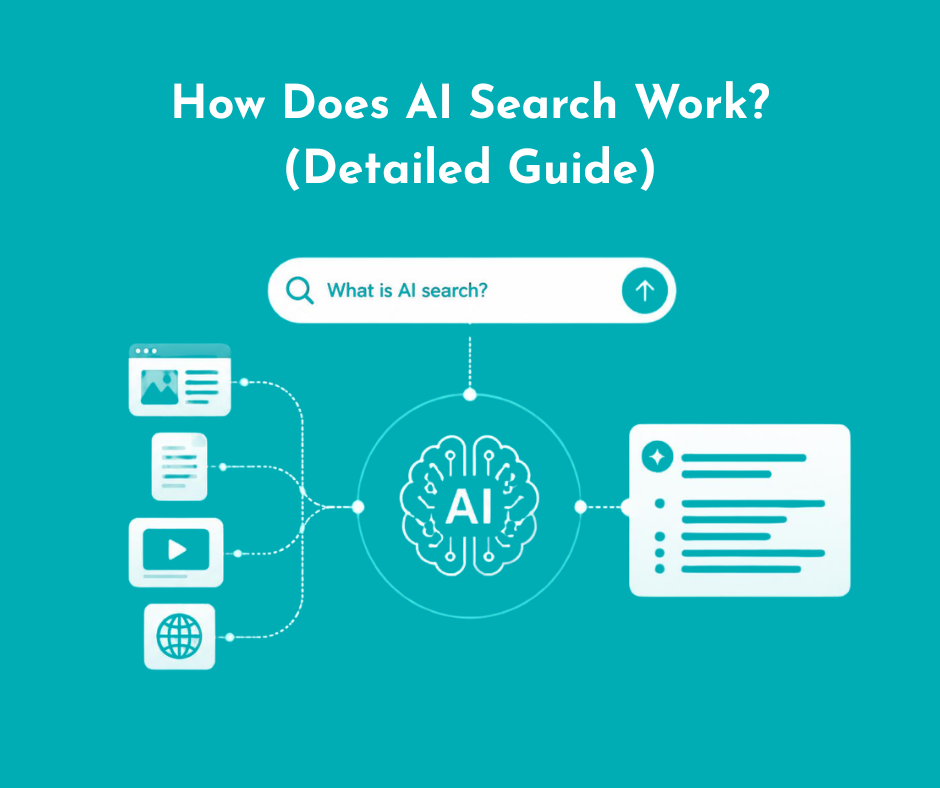
How Does AI Search Work? (A Complete Guide)
This guide goes over what AI search is, how AI search works, and how it differs from traditional search.
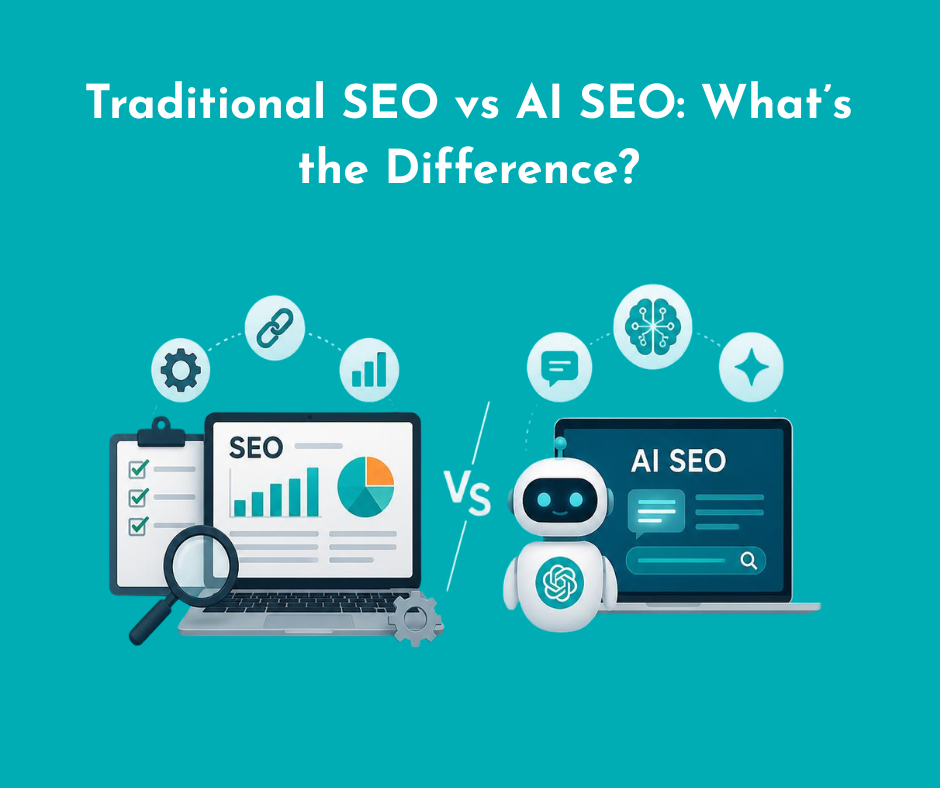
Traditional SEO vs AI SEO: What's the Difference?
This guide will break down how traditional SEO and AI SEO differ, what they share, whether traditional SEO still matters, and how AI search's growth should shape where you focus first.
What Is AI SEO? A Complete Guide for Business Owners
In this guide, we’ll walk through why there is a shift towards AI SEO, how search itself has changed, which businesses need to pay attention right now, and what actually makes a website easy for AI tools to find, understand, and recommend.
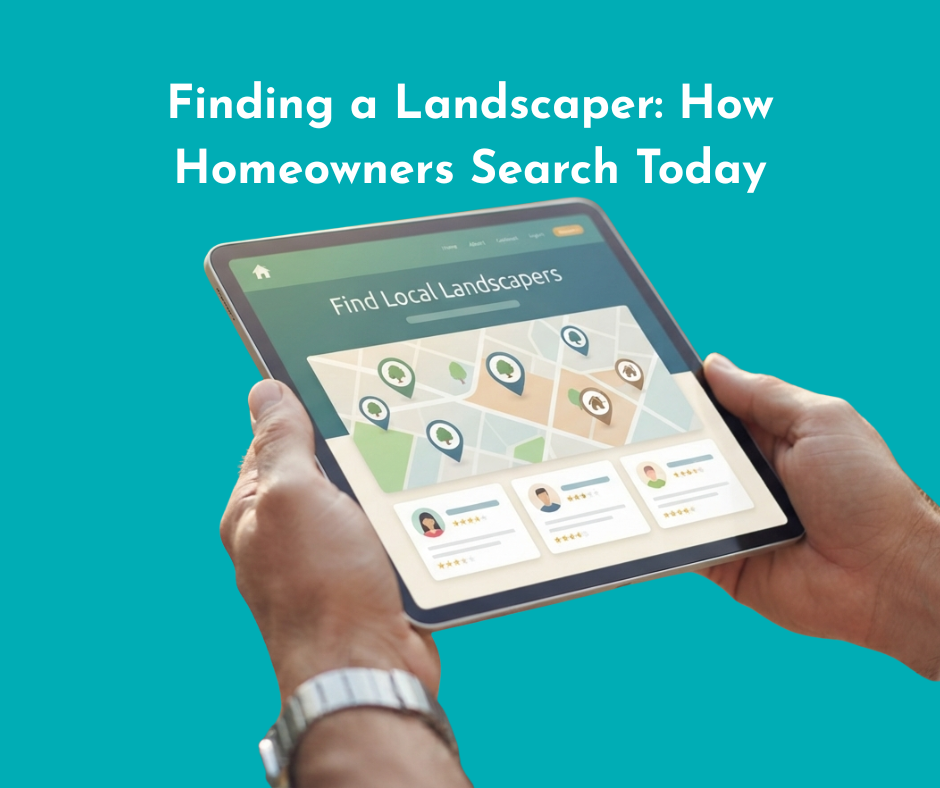
Finding a Landscaper: How Homeowners Really Search Today
In this article, we'll walk through that whole process. Where homeowners start looking. What they search for. How they compare companies. And what makes one landscaper stand out while another gets passed over.
SEO Mistakes to Avoid for Landscapers: 12 Common SEO Mistakes
This guide won't walk you through the full Landscaping SEO process from scratch. Instead, it's a rundown of the biggest SEO mistakes to avoid, the ones costing landscaping companies leads right now. Along the way, you'll find links to guides that go deeper into fixing each one.
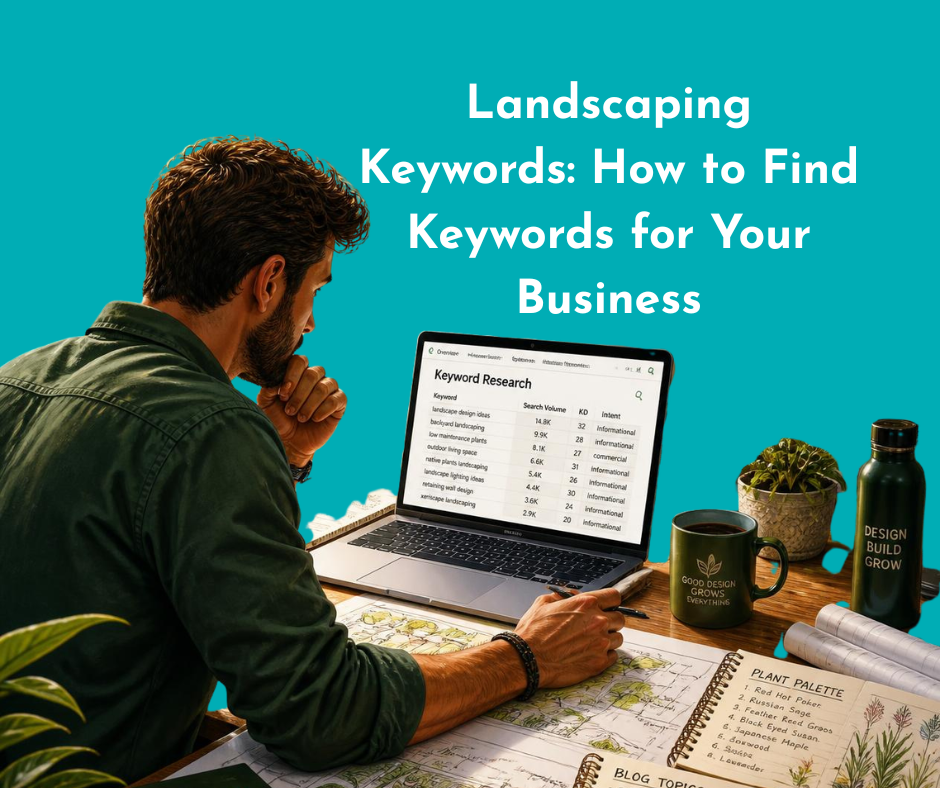
Landscaping Keywords: How to Find Keywords for Your Business
This guide walks through how to find valuable landscaping keywords, understand what searchers actually want, organize them so they work together, and avoid the mistakes that quietly kill online visibility for landscaping companies.
Local SEO for Landscaping Companies (Strategy Guide)
This guide breaks down what local SEO for landscaping companies actually looks like: the four pillars that hold it together, how homeowners really choose who to call, and where to focus first if you're starting from scratch.
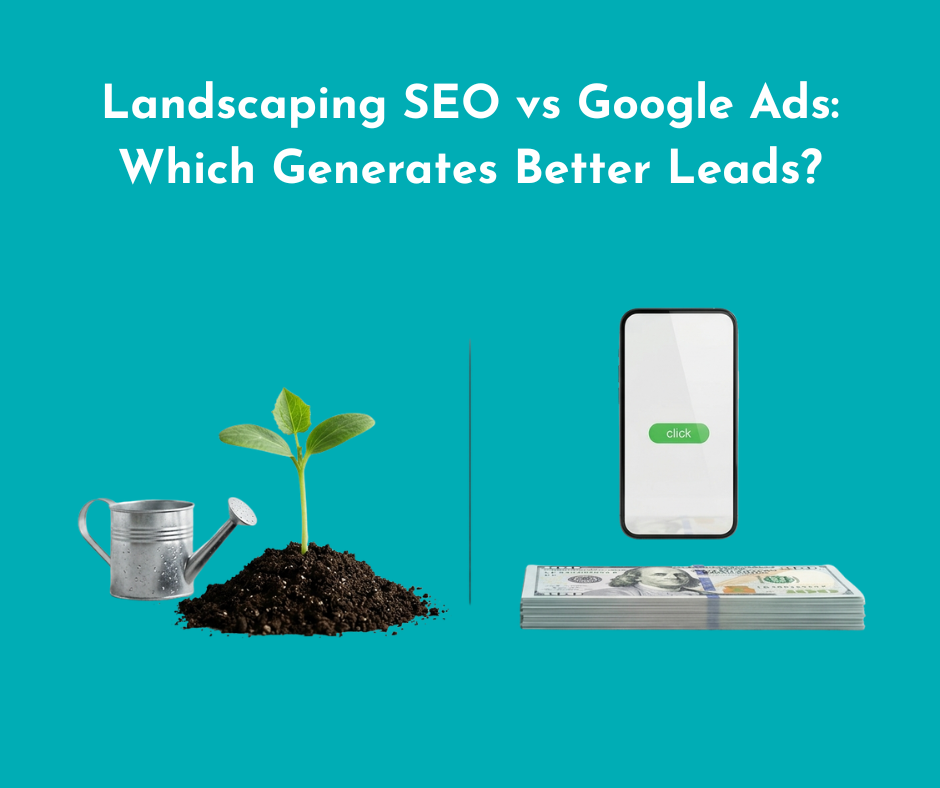
Landscaping SEO vs Google Ads: Which Generates Better Leads?
We're going to compare SEO and ads, honestly, the way we'd explain it sitting across the table from you, because landscaping SEO vs Google Ads isn't a question with one right answer for every business.
How Much Does Landscaping SEO Cost? (Pricing Guide)
This guide breaks down what actually affects pricing, what a typical investment looks like, what a real proposal should include, and how to tell if SEO is worth it for your business right now.
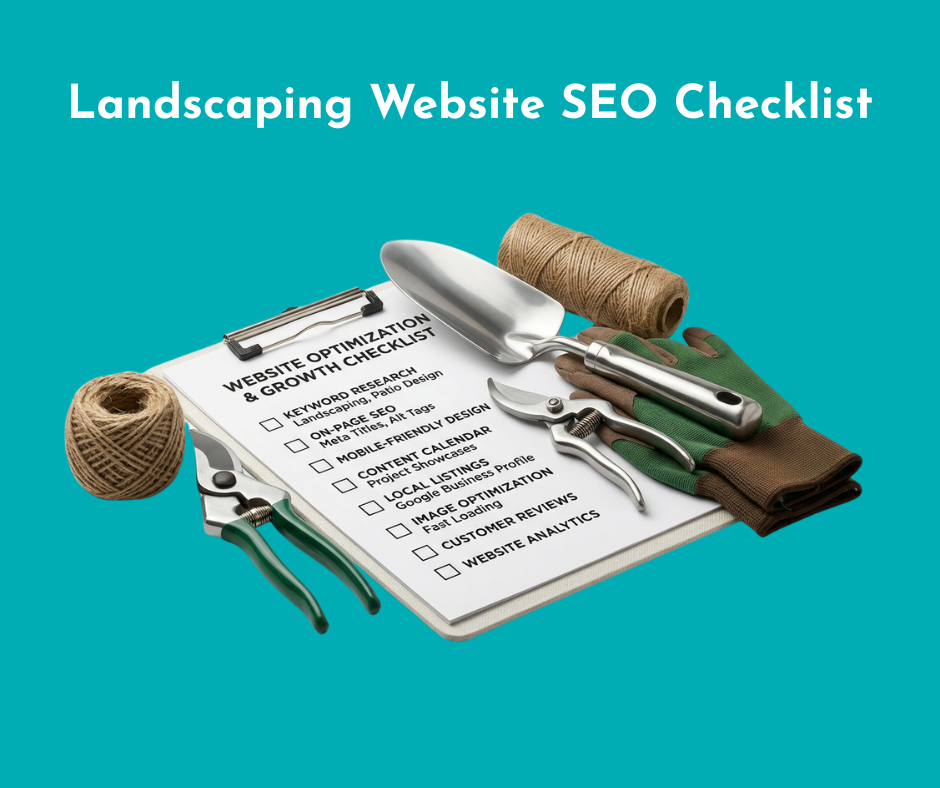
Landscaping Website SEO Checklist: Is Your Site Done Right?
This landscaping website SEO checklist walks you through a practical audit you can run yourself, with no technical background needed. It's not about Google Business Profile, backlinks, or local SEO strategy. Just your website.
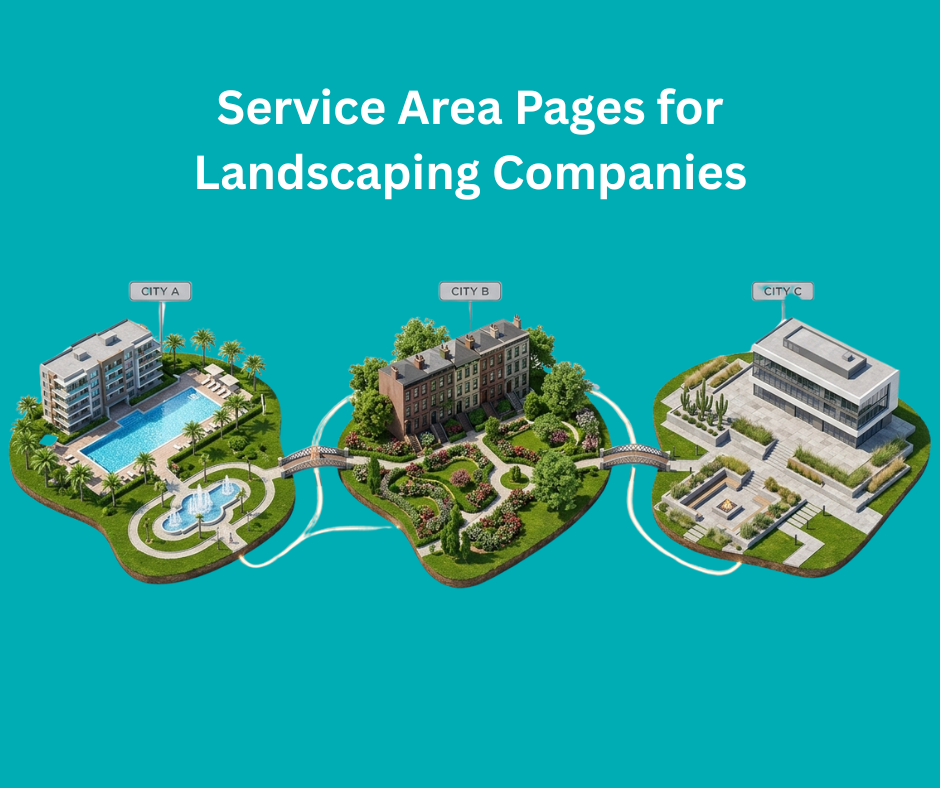
Service Area Pages for Landscaping Companies (Expert Guide)
In this guide, we'll walk through what makes a strong service area page for landscaping companies, what to include, and where most landscaping businesses go wrong.
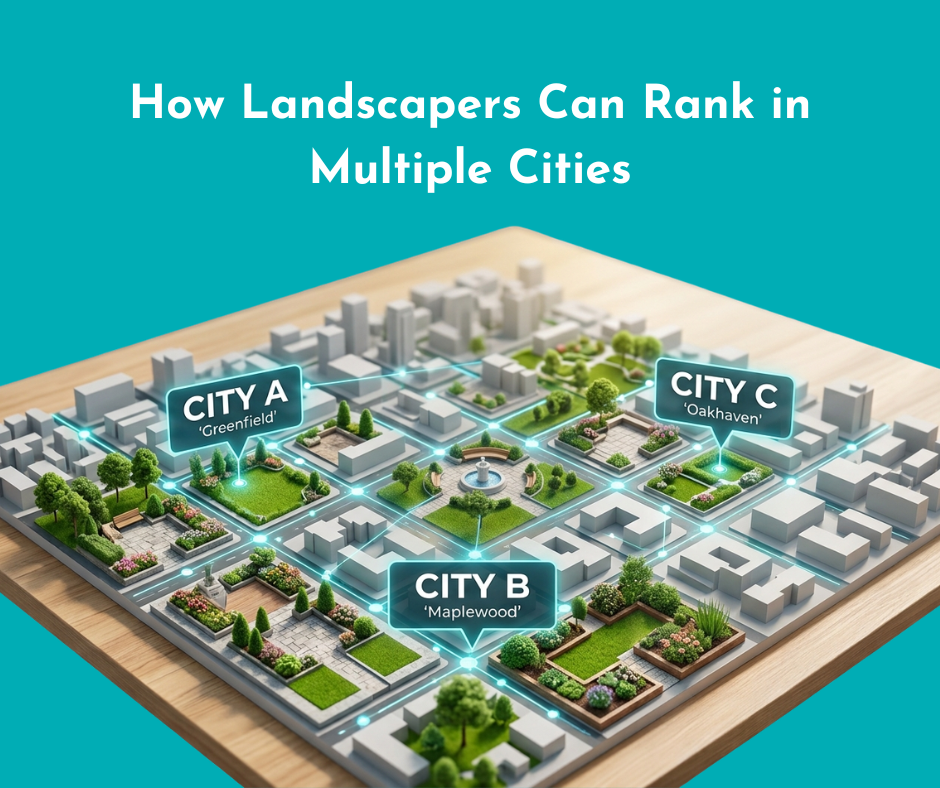
How Landscapers Can Rank in Multiple Cities
This guide covers how to expand organically, build real credibility in a new city, and avoid the mistakes that trip up landscaping services trying to grow past their hometown.
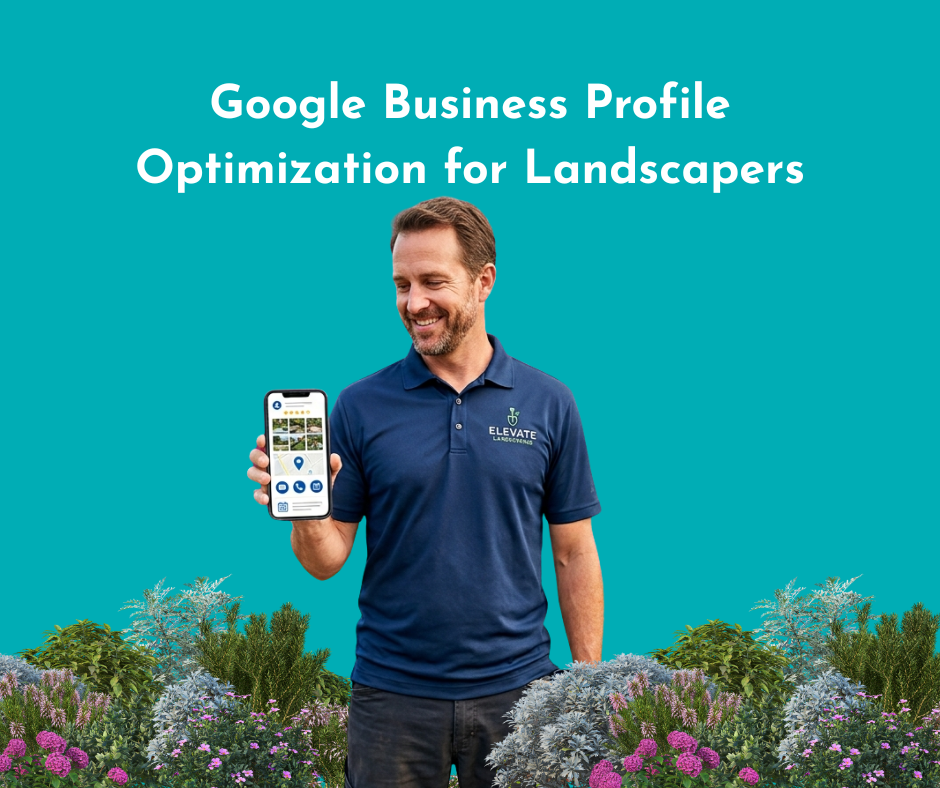
Google Business Profile Optimization for Landscapers
This guide is about Google Business Profile optimization for landscapers, specifically, making your free business profile as complete and accurate as possible.